PALM SPRINGS, CALIFORNIA | COURTS | November 7, 2026
Quick Take
- Governor Gavin Newsom says he will commute every death sentence in California to life in prison without parole.
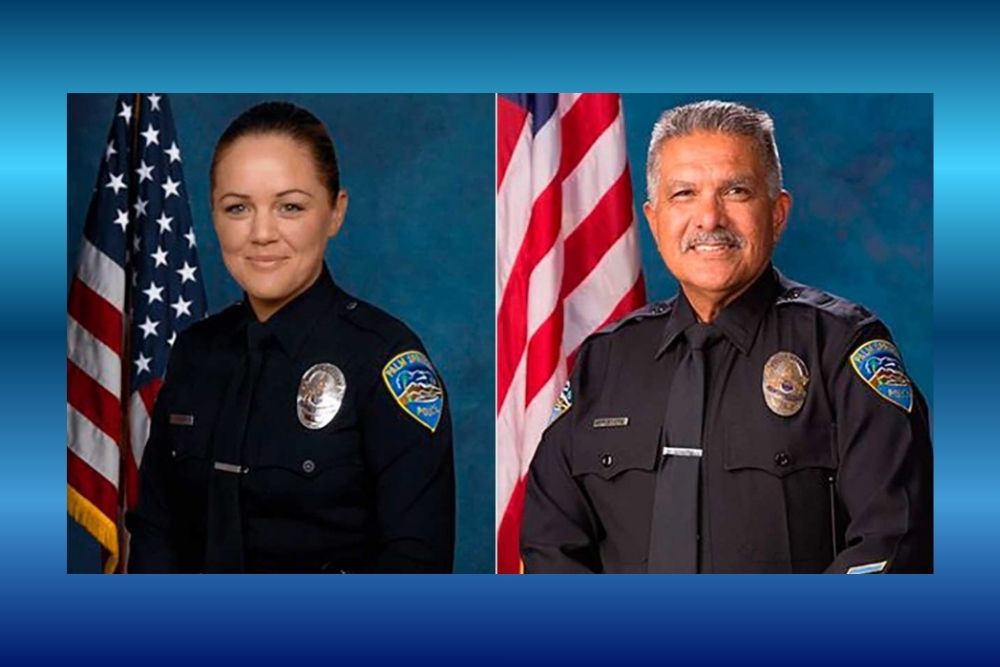
- The list includes John Hernandez Felix, who was sentenced to death for killing Palm Springs Officers Lesley Zerebny and Jose “Gil” Vega in 2016.
- Supporters call the move a historic end to a flawed punishment, while prosecutors and victims’ advocates say it overrides juries and ignores families.
What’s happening?
In an open letter on Thursday, November 5, 2026, Newsom announced he will use his clemency power to commute the sentences of all 548 people on California’s death row. His office says that group includes 529 men and 19 women. Each death sentence will become life without the possibility of parole.
Newsom wrote that state-sanctioned killing goes against California’s values and weakens the legal system. He called it one of the hardest decisions of his career because it will bring back painful memories for victims’ families. He has opposed the death penalty for years and placed a moratorium on executions in 2019.
Where and when?
Felix’s case dates to October 8, 2016. Palm Springs officers answered a domestic disturbance call at a home on Cypress Avenue. Within minutes, prosecutors said, Felix opened fire with an AR-15 rifle.
Officer Zerebny, 27, a rookie just back from maternity leave, and Officer Vega, 63, a veteran officer, were killed. Six other officers were wounded, and four later had to medically retire. Felix was arrested after a standoff that lasted more than 12 hours.
A Riverside County jury convicted him on May 20, 2019, and recommended death 10 days later. A judge sentenced him to death on August 30, 2019, plus 368 years to life on other counts.
Who feels it most?
The families of the slain officers, along with the officers who survived, are at the center of the backlash. The viral post, shared widely by supporters of law enforcement, says victims’ families were not told before the announcement.
Riverside County District Attorney Mike Hestrin said in a statement that the governor acted without notifying the district attorneys whose offices won these convictions. A statewide prosecutors’ group said erasing the judgments without looking at each case or the affected families would hurt the justice system.
Supporters see it differently. The ACLU praised the decision, saying the death penalty has been applied with racial bias. Contra Costa District Attorney Diana Becton said the move will save taxpayers hundreds of millions of dollars over time.
What does this change mean?
The commutations do not repeal the death penalty. Prosecutors can still seek it and juries can still impose it in future cases. California voters rejected a repeal measure in 2016, and Newsom said he respects that vote.
In practice, California has not executed anyone since 2006, and the San Quentin execution chamber has been taken apart.
What comes next?
The state constitution requires the California Supreme Court to approve clemency for anyone convicted of a felony more than once. That applies to hundreds of the cases. Felix had pleaded guilty to assault with a firearm in a 2009 case, so his commutation may also need the court’s approval.
Newsom is preparing to leave office after eight years. Future governors could not restore the original death sentences once the commutations take effect.
By the Numbers
| Detail | Figure |
|---|---|
| Officers killed | 2 |
| Officers wounded | 6 |
| Death sentences commuted | 548 |
| Felix sentenced to death | August 30, 2019 |
Have a question about what’s changing in your neighborhood? Send it to Nash News at nash-news.com and we may answer it in our next report.