PETALUMA, CALIFORNIA | COURTS & JUSTICE | November 6, 2026
Quick Take
- California Gov. Gavin Newsom has moved to commute all 548 death sentences in the state to life in prison without parole.
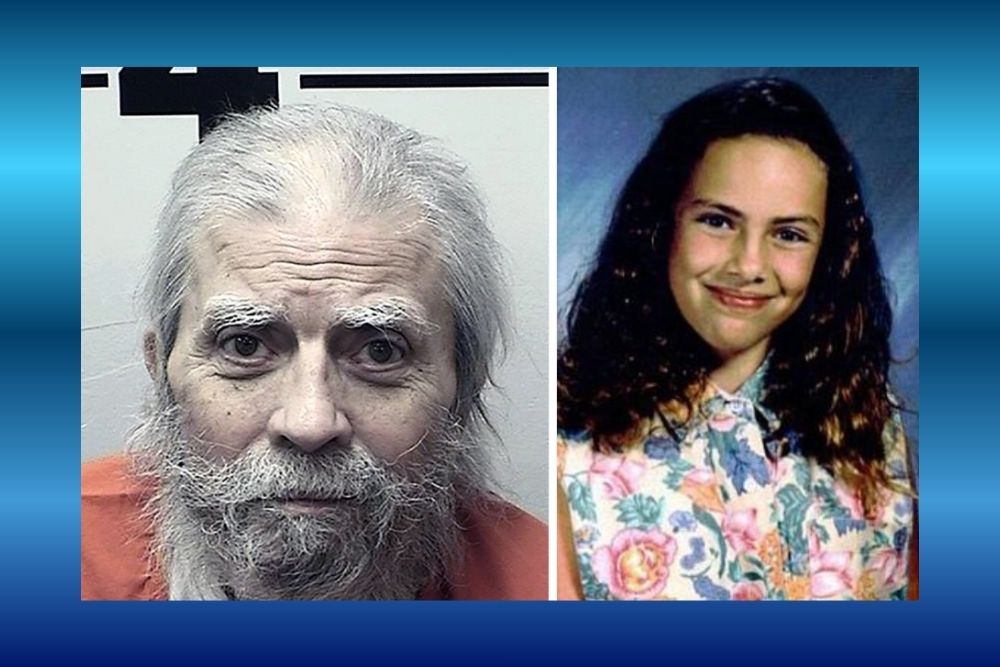
- Among those affected is Richard Allen Davis, convicted of the 1993 kidnapping and murder of 12-year-old Polly Klaas.
- Polly’s father, Marc Klaas, called the decision a knife in the back for victims’ families.
What’s happening?
Newsom announced on Thursday, November 5, that he would commute every death sentence in California, clearing the state’s death row for the first time since the late 1800s. In his announcement, he said state-sanctioned killing is incompatible with California’s values and called the decision one of the most difficult of his career.
The move affects some of the state’s most notorious killers, including Davis, Scott Peterson and Charles Ng. Social media posts about Davis’s case have spread quickly since the announcement.
Where and when?
On October 1, 1993, Polly Klaas was abducted at knifepoint from her family’s Petaluma home during a slumber party with friends. Her disappearance led to a 64-day nationwide search involving thousands of volunteers and the FBI before her body was found.
Davis, a repeat offender who had recently been paroled, was arrested and convicted in June 1996. Prosecutors and the family have long noted that he raised his middle finger in court on the day of his conviction. At his sentencing, he also shocked the courtroom with false accusations against Polly’s father. A judge sentenced him to death in 1996.
By the Numbers
| Detail | Figure |
|---|---|
| Death sentences commuted | 548 |
| Polly Klaas’s age | 12 |
| Days of the search | 64 |
| Last California execution | 2006 |
Who was Polly Klaas?
Polly was a seventh-grader in Petaluma, north of San Francisco. Her case shocked the nation and helped push California to pass its tough three strikes sentencing law in 1994. Her father went on to found the KlaasKids Foundation to support missing children and their families.
Who feels it most?
Marc Klaas has fought for decades to keep Davis’s sentence in place. In 2024, a Santa Clara County judge rejected Davis’s bid to have his death sentence overturned. After Newsom’s announcement, Klaas told NBC News the decision was unbelievably disappointing and said he had once been told by prosecutors he could trust the system.
Supporters see it differently. Death penalty opponents, human rights groups and faith leaders praised the move. The Death Penalty Information Center called it a decisive moment in the history of the death penalty in the United States. Newsom has also argued that capital punishment is costly, applied unequally and risks executing innocent people.
What comes next?
Not every commutation takes effect right away. Under California law, commutations for people with prior felony convictions, about 60 percent of those on death row, need approval from the California Supreme Court. Davis’s long criminal record means his case is likely among them.
Newsom has less than two months left in office. If the court does not approve those commutations before he leaves, the requests would lapse. The state has not carried out an execution since 2006, and Newsom placed a formal moratorium on executions in 2019.
Have a question about what’s changing in your neighborhood? Send it to Nash News at nash-news.com and we may answer it in our next report.