WILLIAMSON COUNTY, TEXAS | COURTS & JUSTICE | November 2, 2026
Quick Take
- Michael Morton spent nearly 25 years in a Texas prison for his wife’s 1986 murder, a crime he did not commit.
- DNA on a bloody bandana cleared him in 2011 and pointed to the real killer, Mark Alan Norwood.
- A viral clip of Morton breaking down in court has brought his story back to millions of viewers.
What’s happening?
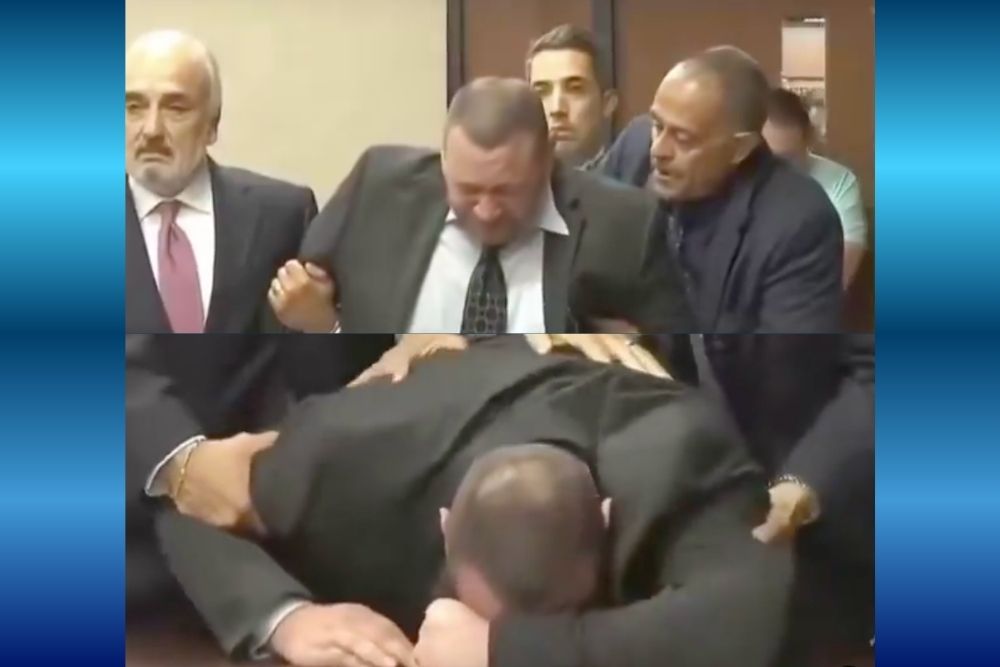
An emotional video of Michael Morton weeping beside his attorney is spreading across social media this week. The clip comes from the court proceedings that ended one of the best-known wrongful conviction cases in Texas history.
Morton was convicted of murdering his wife, Christine, and spent nearly 25 years behind bars before DNA proved his innocence. The case went on to change how Texas prosecutors share evidence with defendants.
Where and when?
Christine Morton was beaten to death in the couple’s bed at their home near Austin, in Williamson County, on August 13, 1986. Michael was at work that morning, but investigators focused on him. A jury convicted him in 1987, and he received a life sentence.
He walked out of prison on October 4, 2011. Judge Sid Harle formally cleared him in a Georgetown courtroom on December 19, 2011, handing him the order he had waited decades for.
By the Numbers
| Detail | Figure |
|---|---|
| Years spent in prison | Nearly 25 |
| Years spent fighting for DNA testing | About 6 |
| Year he was cleared | 2011 |
| Year the Michael Morton Act became law | 2013 |
How did DNA clear him?
A blue bandana was found near the Morton home shortly after the murder. Morton’s lawyers, including Houston attorney John Raley and the Innocence Project, first asked for DNA testing in 2005. Prosecutors fought the request for years.
When results came back in 2011, the bandana carried Christine’s blood and hair mixed with DNA from another man. A national database matched it to Mark Alan Norwood, a felon who lived in the area at the time. Norwood was arrested in November 2011 and convicted of Christine’s murder in 2013. He was also linked to the 1988 killing of Austin woman Debra Masters Baker.
Who was held accountable?
Morton’s lawyers found that the original prosecutor, Ken Anderson, had withheld evidence pointing away from Morton. That included the couple’s three-year-old son’s account of the attack and reports about a man in a green van near the home.
Anderson, who had since become a judge, was found in contempt of court in 2013. He resigned from the bench, gave up his law license, and spent several days in jail. That was a rare punishment for a prosecutor.
What changed after his case?
In May 2013, Governor Rick Perry signed the Michael Morton Act. The law requires prosecutors to share their case files and evidence with defendants without waiting for a court order. Supporters credit it with helping prevent more wrongful convictions.
Morton received compensation from the state under Texas’s exoneree program, remarried, and has spent years speaking out for fair treatment of people wrongly convicted. His story was told in the CNN Films documentary An Unreal Dream.
Have a question about what’s changing in your neighborhood? Send it to Nash News at nash-news.com and we may answer it in our next report.