RICHMOND, VA — A Virginia crime commission has endorsed a set of tighter rules for automatic license plate readers, including stiffer penalties for unlawful data sharing, while stopping short of calling for a statewide ban.
The recommendations, made Tuesday in Richmond, are expected to drive debate when lawmakers return in January to consider whether the technology should keep operating under new restrictions.
What's happening?
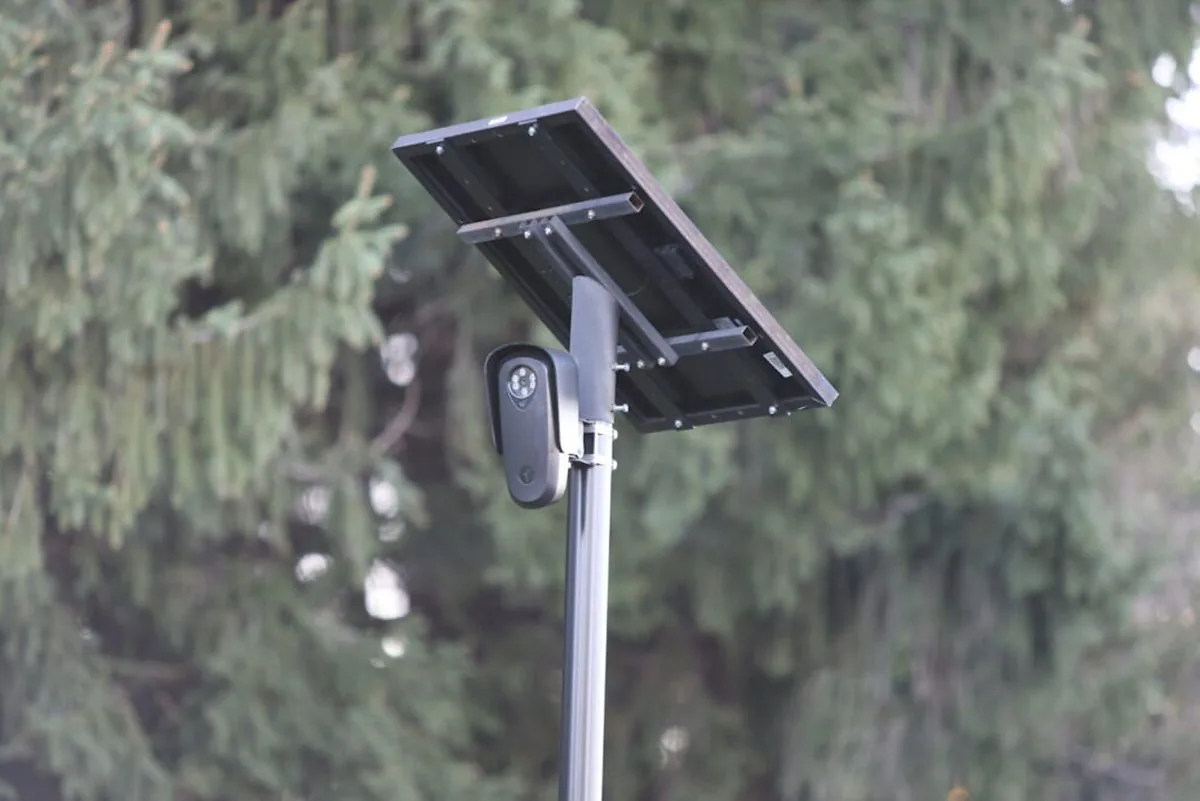
The Virginia Crime Commission voted to recommend changes to the state law that governs automatic license plate readers, often called ALPRs. The panel focused on how data is shared, what penalties apply when the law is broken, and how violations should be enforced.
Under the commission’s plan, each record shared illegally could count as its own violation. The panel also recommended a minimum civil penalty of $5,000 per violation, which would add financial consequences to a law that already makes intentional unauthorized access, use or sharing a Class 1 misdemeanor.
The commission also backed standards for officer decertification in cases involving unlawful access or sharing, with final procedures left for the General Assembly to work out. It recommended giving local prosecutors more enforcement authority and allowing emergency sharing without a court order when there is an imminent threat of harm.
Where and when?
The meeting took place Tuesday in Richmond, where the commission reviewed how the state handles automatic license plate reader data and where lawmakers are likely to revisit the issue in the upcoming session.
The panel’s recommendations come after months of concern over alleged misuse and disagreement among local governments about how the cameras should be regulated in Virginia.
Who feels it most?
The changes could affect police departments, local prosecutors, drivers and residents whose vehicle information is collected by the cameras. Supporters of tougher penalties say the goal is to make sure agencies follow the law and that penalties are meaningful when they do not.
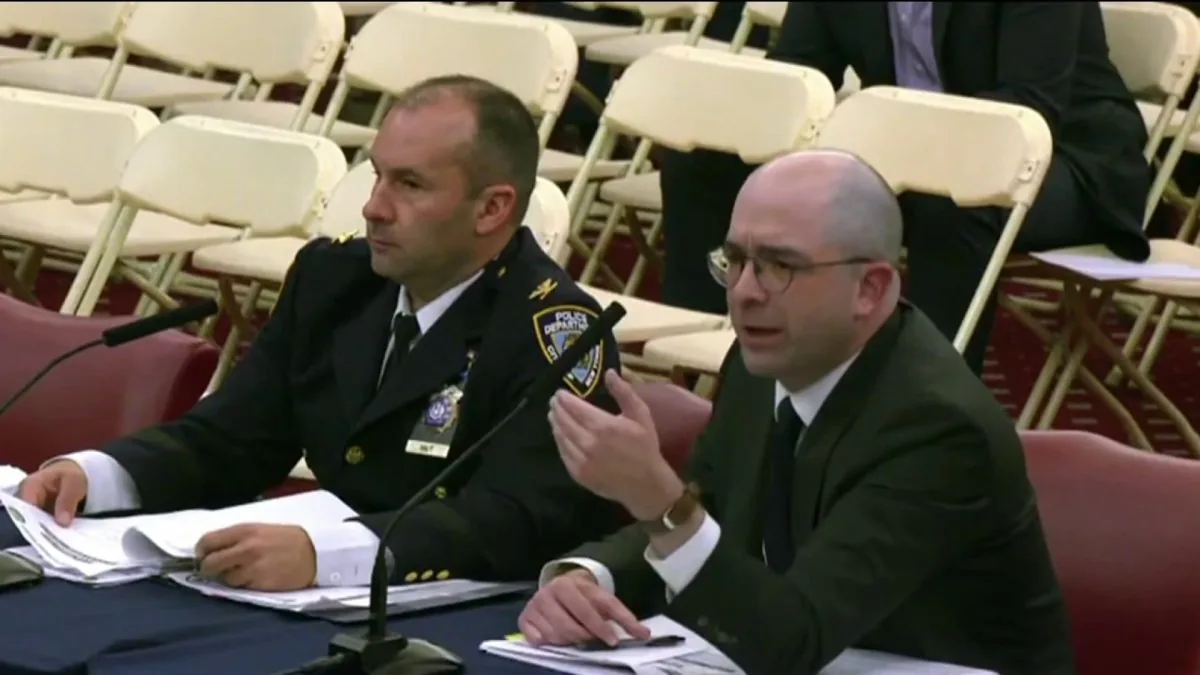
Senate Majority Leader Scott Surovell said at the meeting that consequences should apply both to individual officers and to agencies that fail to comply with the rules. Hampton Commonwealth’s Attorney Anton Bell said most violations he sees are not personal misuse, but officers sharing information with other officers or agencies during active investigations.
“The majority of the violations is a law enforcement officer giving that information to another law enforcement officer or agency to address a criminal act that is currently going on,” Bell said.
Bruce Cruser, a commission member appointed by Gov. Abigail Spanberger, said public concern is high and penalties should reflect the seriousness of the violation. Some lawmakers, including Sens. Glen Sturtevant and Lashrecse Aird, have also signaled interest in a ban, while others are pressing for more transparency.
What should you do?
- Status: The commission has advanced recommendations, but lawmakers must still decide whether to adopt them during the next session.
- Charges: Virginia law already treats intentional unauthorized access, use or sharing of ALPR data as a Class 1 misdemeanor.
- Penalty change: The panel wants each unlawful record shared to count separately and wants a minimum civil penalty of $5,000 per violation.
- Area: The next round of debate is expected when the General Assembly meets in Richmond on Jan. 13.
- Who to call: No public tip line was listed in the recommendations; residents with concerns about local camera use can contact their state lawmakers or local law enforcement agencies.
What comes next?
Lawmakers will return to Richmond on Jan. 13 to consider the commission’s package, along with related ideas on evidence review, record sealing and whether the panel should be allowed to consult independent experts.
The General Assembly could accept the new penalty structure, revise it or leave current law in place. If the proposals move forward, agencies, prosecutors and defense lawyers would likely see new procedures for handling ALPR data and violations.
Have a tip on a crime? Contact local police or Crime Stoppers at 1-800-222-8477 (TIPS).